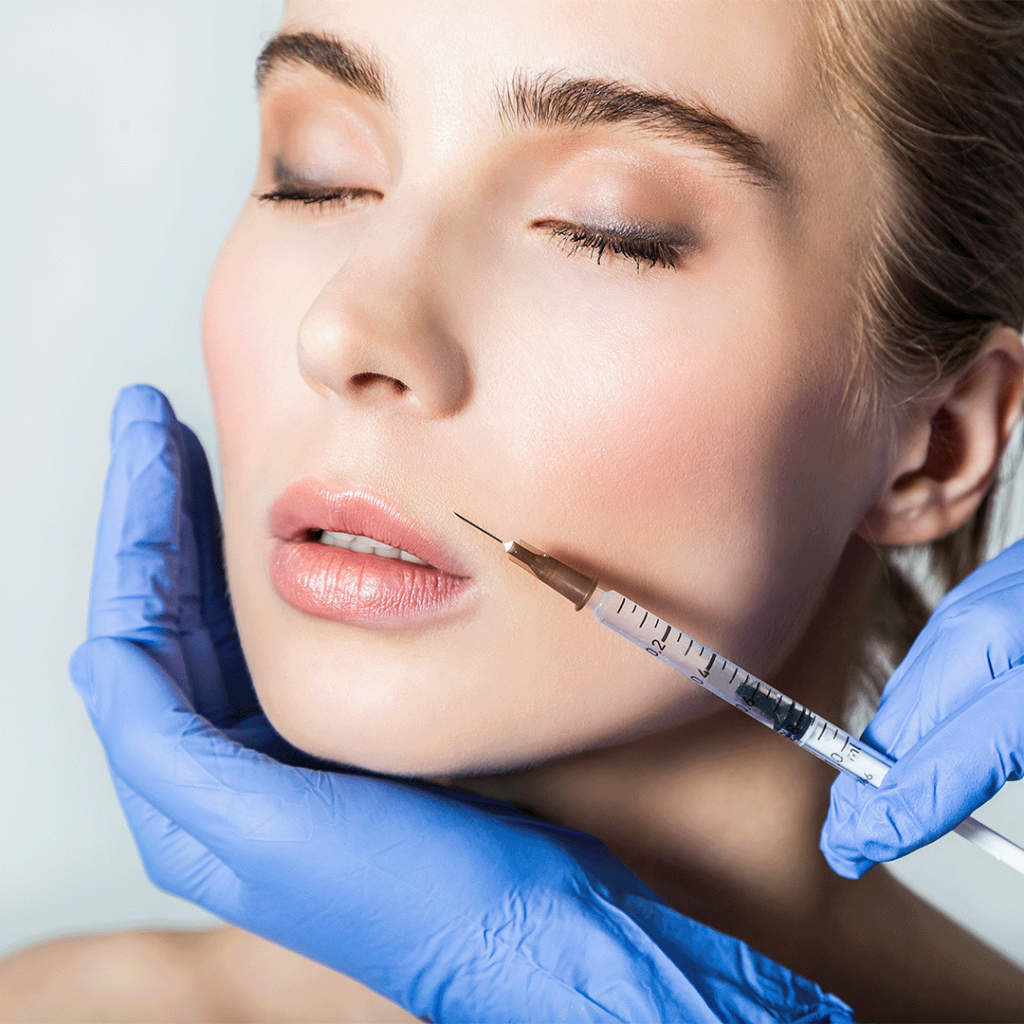
Lip filler uses an injectable dermal filler, commonly hyaluronic acid, to enhance shape, definition, symmetry, hydration, or volume. Cost depends on the product and amount selected after assessment. Swelling and bruising are common, the result is usually evaluated around two weeks, and longevity varies by product, dose, anatomy, metabolism, and movement.
What is lip filler?
Lip filler is an injectable treatment used to change selected aspects of lip shape, border definition, symmetry, projection, or volume. Many modern lip fillers are made with hyaluronic acid, a sugar molecule that attracts water and is also found naturally in the body.
The goal does not have to be visibly larger lips. A treatment can focus on a softened border, subtle hydration, balance between the upper and lower lip, or restoration of changes that develop over time.
Renova Aesthetics is a physician-led medical aesthetics clinic in Carmel, Indiana. The practice is in the top 1% of Galderma injectable providers nationwide and offers dermal fillers including Restylane products. Injectors receive advanced training each year and build lip plans around anatomy, movement, and natural proportion.
How much does lip filler cost?
There is no accurate universal price because the plan is not universal. Renova provides current pricing after evaluating the lips and discussing the desired result.
Cost is influenced by:
- The filler product selected
- The amount of product used
- Whether the treatment is focused on border, body, symmetry, or perioral lines
- The complexity of correction
- Prior filler and whether dissolving is recommended first
- Provider expertise and follow-up
- Whether treatment is staged over more than one appointment
A low advertised price may exclude the amount needed, follow-up, or treatment by an experienced medical injector. It may also involve a product that is not the best match for lip movement.
Ask for the total recommended plan, not only a price per syringe. Some clients need less than a full syringe for a subtle adjustment. Others may need a staged approach. Using more product simply because it was purchased can compromise balance.
Which filler is best for lips?
The best filler depends on the tissue and goal. Hyaluronic acid fillers differ in firmness, flexibility, water attraction, and how they integrate with movement.
Restylane Kysse is FDA approved for lip augmentation and upper lip lines in adults over 21. It is designed to support natural-looking movement and has clinical data showing results for up to one year in some patients. “Up to” is important. Longevity varies and the result gradually changes as the product is metabolized.
A provider may select another filler when the client needs a different balance of structure, softness, or integration. Brand choice should follow assessment rather than a social media trend.
What can lip filler change?
Lip filler may be used to:
- Add subtle or more noticeable volume
- Improve border definition
- Refine the Cupid’s bow
- Support symmetry
- Adjust upper-to-lower lip balance
- Improve selected vertical lip lines
- Restore age-related volume change
- Add projection in a carefully selected area
It cannot permanently change muscle movement, shorten a long upper lip, correct every dental or skeletal asymmetry, or guarantee a specific celebrity lip shape. The injector should explain which features are created by soft tissue and which come from bone, teeth, muscle, or skin.
What does a natural lip-filler result look like?
A natural result fits the face. It preserves movement, respects the lip’s existing anatomy, and looks balanced from the front, profile, and three-quarter view.
Natural does not mean there is one ideal ratio for everyone. A person’s philtrum length, tooth show, chin projection, nose, age, ethnicity, and baseline lip structure all affect proportion. The same syringe can look subtle on one person and excessive on another.
Renova’s injectors may recommend a conservative first treatment and reassess after swelling settles. Staging gives the tissue time to adapt and helps the client make decisions based on a healed result.
What happens during a lip-filler appointment?
The visit should include:
- Medical history and medication review
- Discussion of prior filler, cold sores, dental work, allergies, and previous reactions
- Assessment at rest, in animation, and from multiple angles
- Photographs
- Explanation of product, amount, cost, risks, and alternatives
- Cleansing and comfort measures
- Precise injection using a needle, cannula, or both as appropriate
- Immediate review and written aftercare
Some fillers contain lidocaine. Topical numbing or other comfort measures may also be used. Expect pressure, pinching, or brief stinging. Tell the injector about unusual or severe pain immediately.
How much swelling is normal?
Swelling is common and often appears greater the first morning after treatment. Bruising, tenderness, firmness, mild asymmetry, and small palpable areas can also occur during early healing.
The lips may not look like the final result for several days. Swelling commonly improves during the first week, but residual swelling or firmness can last longer. A planned evaluation around two weeks allows the tissue to settle.
Contact the clinic rather than massaging or manipulating the lips on your own. Some techniques or products may require specific instructions, while unnecessary pressure can worsen swelling or move product.
How can you prepare for recovery?
Plan treatment when you can tolerate visible swelling or bruising. Avoid scheduling immediately before a wedding, major photo session, public presentation, or flight.
Tell the injector about medications and supplements that affect bleeding. Do not stop a prescription medication without the prescribing clinician’s approval. Discuss a history of cold sores because an antiviral plan may be appropriate.
Follow clinic guidance about exercise, heat, alcohol, makeup, pressure, dental work, and other facial procedures. Keep the area clean and avoid unapproved devices or treatments.
When do lip-filler results look final?
The lips change immediately because product has been placed, but the immediate appearance includes swelling. The result is commonly assessed around two weeks. At that point, the injector can evaluate shape, symmetry, tissue response, and whether any additional treatment is appropriate.
Do not judge the result hour by hour. Lighting, hydration, sleeping position, bruising, and normal uneven swelling can create temporary differences.
How long does lip filler last?
Longevity depends on:
- Product
- Amount
- Placement
- Baseline tissue
- Metabolism
- Lip movement
- Treatment history
- Desired endpoint
Restylane Kysse studies have shown improvement lasting up to one year for some patients. Other products and individual results differ. Maintenance should be based on how the lips look and feel, not a rigid calendar.
Adding filler at frequent intervals before the prior product has settled or metabolized can lead to gradual overfilling. Accurate treatment records and conservative reassessment help prevent that pattern.
Can lip filler be dissolved?
Many hyaluronic acid fillers can be broken down with an enzyme called hyaluronidase. Dissolving may be used for an unwanted aesthetic result, a complication, migration, or a plan to reset prior filler.
Dissolving is a medical procedure with its own limitations and risks. The enzyme can reduce filler but does not instantly restore the exact pre-treatment appearance. Swelling and tissue changes can temporarily affect the result. A consultation is needed before deciding.
What are the risks?
Common temporary effects include swelling, redness, tenderness, bruising, itching, firmness, and lumps. Infection, prolonged swelling, nodules, asymmetry, and cold sore reactivation can occur.
The most serious risk is accidental injection into a blood vessel. Vascular occlusion can reduce blood supply and lead to tissue injury. Rare complications described by the FDA include vision changes or blindness and stroke. Risk cannot be reduced to zero, even with an experienced injector.
Contact the injector immediately for severe or escalating pain, blanching, dusky or mottled color, cool skin, unusual discoloration, or rapidly worsening swelling. Vision symptoms, severe headache, weakness, confusion, or speech changes require emergency care.
Avoid needle-free filler pens. The FDA warns against these devices because high-pressure injection can cause serious injury, and they do not replace treatment by a licensed medical professional.
Who should delay lip filler?
Treatment may need to be postponed for pregnancy or breastfeeding, active infection, a cold sore outbreak, dental infection, recent or upcoming dental procedures, uncontrolled medical conditions, or a prior reaction that needs further evaluation.
People with significant existing filler, unexplained swelling, lumps, or suspected migration may need imaging, records, dissolving, or a staged plan before more product is added.
How do you choose a “lip filler near me” provider?
Look for a physician-directed practice and an injector who:
- Evaluates the entire lower face, not only the lips
- Uses FDA-approved products from authorized sources
- Explains product and amount
- Understands vascular anatomy and emergency response
- Keeps detailed treatment records
- Shows consistent, healed results
- Welcomes a conservative plan
- Offers follow-up
- Says no when filler is not appropriate
Renova’s Galderma experience, annual advanced training, and broad treatment menu support a plan that is not dependent on adding filler. Sometimes skincare, neuromodulator, laser treatment, or no treatment is the better recommendation.
Start with shape, safety, and proportion
When searching “lip filler near me,” choose a consultation that covers more than syringe price. Renova Aesthetics in Carmel, IN can explain the product, amount, cost, recovery, and safety plan for a result designed to move naturally and fit your face.
Frequently asked questions
How much does lip filler cost?
Lip-filler cost depends on the product, amount, treatment goal, prior filler, and complexity. Renova Aesthetics provides current, individualized pricing after an assessment rather than publishing a universal quote.
How long does lip-filler swelling last?
Swelling is usually most noticeable during the first few days and often improves within a week. Residual swelling, firmness, or bruising can last longer. The result is commonly assessed around two weeks.
How long does lip filler last?
Longevity varies by product, amount, placement, metabolism, and movement. Restylane Kysse studies show results lasting up to one year in some patients, but no duration is guaranteed.
Can lip filler look natural?
Yes. Natural results depend on facial proportion, product selection, conservative volume, precise placement, and allowing the lips to settle before adding more.
What is the most serious lip-filler risk?
Accidental injection into a blood vessel can reduce blood supply and cause tissue injury. Rare complications include vision loss or stroke. Severe pain, blanching, mottled color, or vision symptoms require immediate action.
Where can I find lip filler near Carmel, Indiana?
Renova Aesthetics in Carmel, Indiana offers physician-directed lip filler with advanced injectors and Restylane options. A consultation determines product, amount, cost, and whether filler is appropriate.